
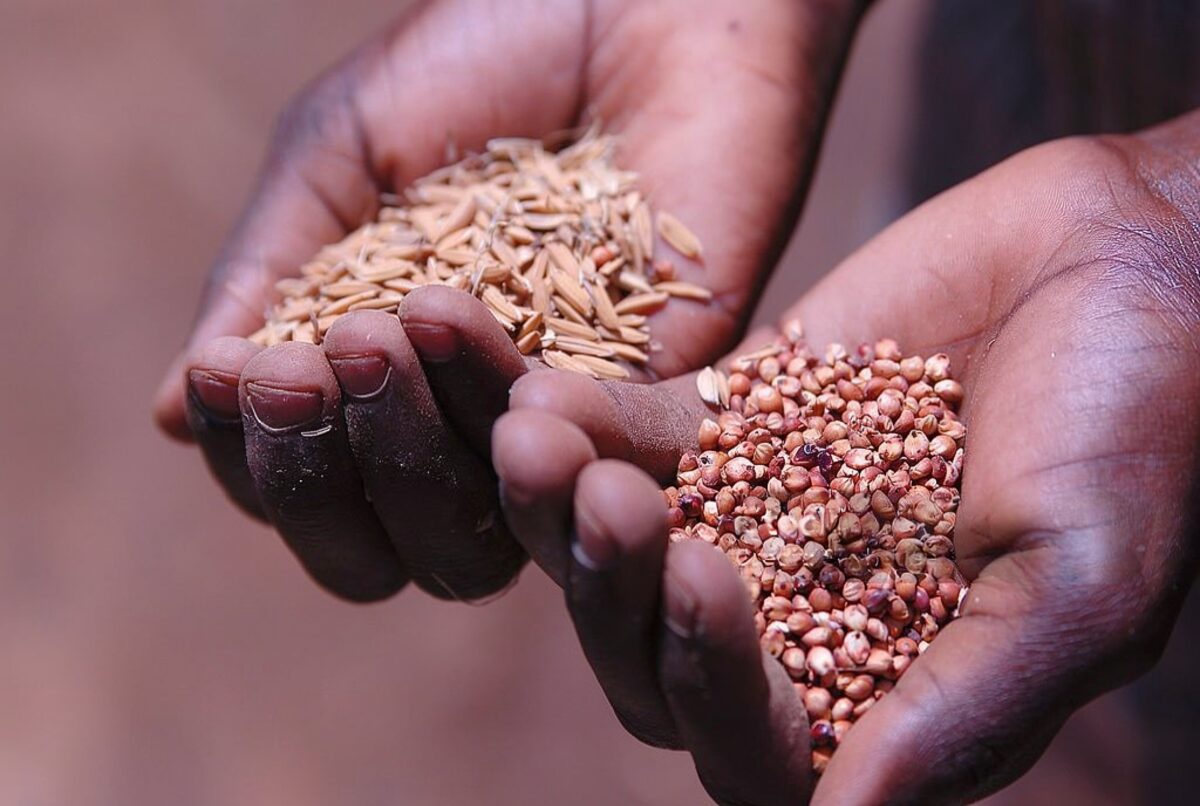
A network of smallholder farmers supported by Dilulu has achieved a significant milestone in agricultural conservation: the successful documentation, multiplication, and preservation of 15 indigenous seed varieties that were at risk of being lost to commercial seed displacement.
"These are not just seeds — they are the accumulated wisdom of generations. Each variety tells a story of adaptation, resilience, and survival in specific African conditions." — Brian Omondi, Dilulu Kenya Field Director
What Was Saved
The 15 varieties span four crop categories essential to food security and cultural heritage across East Africa:
Traditional sorghum varieties (4): Including the drought-tolerant "Nyamula" red sorghum (prized for its nutty flavour and drought hardiness) and "Kakamega White," a fast-maturing variety that produces grain in just 75 days.
Indigenous cowpea varieties (5): Including "Kunde ya Mzee" (a climbing variety producing both leaves and beans over six months of continuous harvest), and the small-seeded "Ngege" cowpea, which thrives in sandy soils where other legumes fail.
Traditional leafy greens (3): African nightshade (managu), spider plant (sagaa), and amaranth (doodo) varieties collected from elder farmers in Siaya and Busia counties.
Root crops (3): Two sweet potato varieties with exceptional vitamin A content and one cassava variety with natural resistance to cassava mosaic disease.
How It Works
The seed saving network operates through a simple but effective model. Farmer-members receive training in seed production and storage. Each member grows at least one variety for seed, keeping detailed records of growth habits, pest resistance, and yield. Harvested seeds are dried, catalogued, and stored across 12 community seed banks, ensuring that no single point of failure can compromise the collection.
Seeds are "borrowed" by members for planting, with the understanding that twice the quantity will be returned after harvest — a system that grows the collection every season.
Why It Matters
Africa has lost an estimated 75% of its crop diversity over the past century, according to the Food and Agriculture Organization. Commercial seed catalogues typically offer a handful of high-yielding varieties, displacing the hundreds of locally adapted ones that farmers previously maintained.
"When a farmer plants only one variety and the season is bad, they lose everything," Brian Omondi explains. "When they plant five varieties with different characteristics — one that matures early, one that tolerates drought, one that resists the local pest — something always survives. That is the insurance these seeds provide."
Key milestone: 15 varieties saved, 800+ farming families served, 12 community seed banks established, zero varieties lost from the collection since inception.
Contact Dilulu to learn about bringing a seed bank programme to your community, or donate to support seed saving across Africa.
Related: Building Community Seed Banks · Climate-Resilient Crops · Building Healthy Soil