
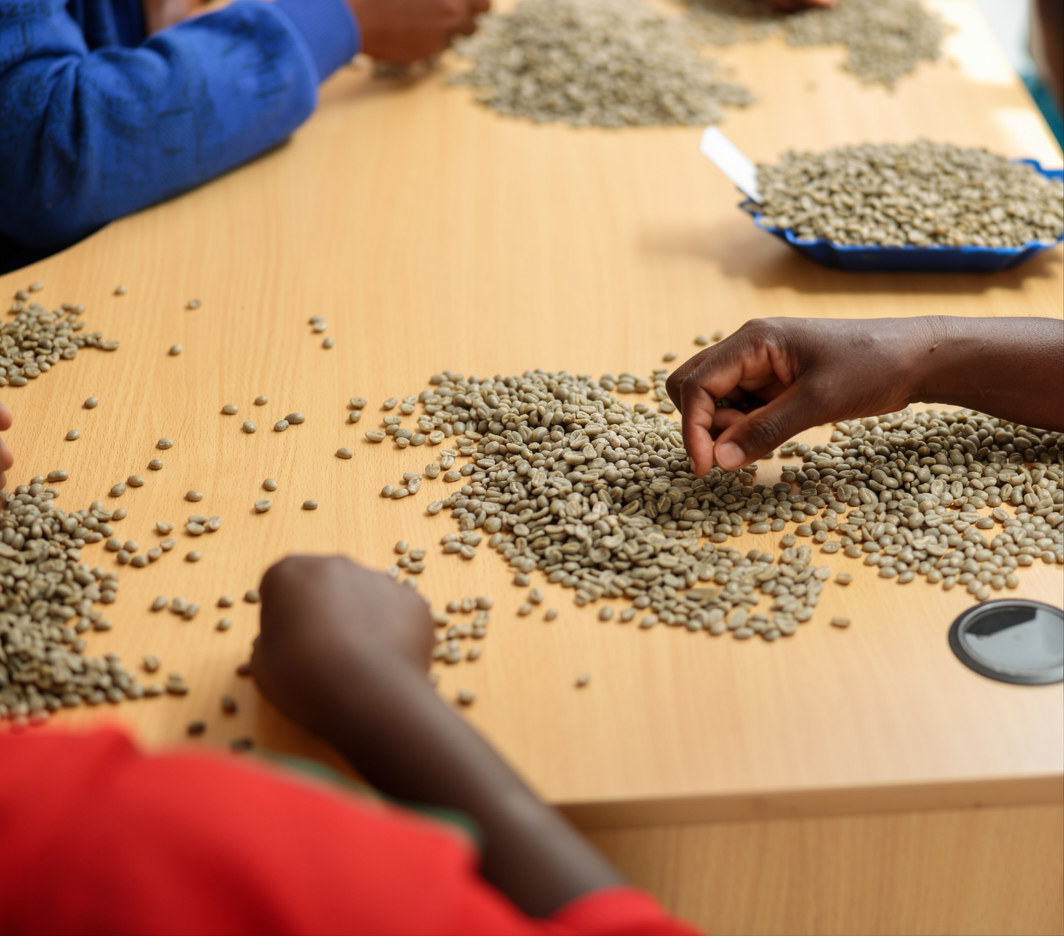
Every seed is a story. It carries within its tiny shell the accumulated wisdom of generations of farmers who selected, saved, and shared the best plants year after year. In Africa, this heritage — thousands of locally adapted varieties of sorghum, millet, cowpea, amaranth, and countless other crops — is under threat.
"When we lose a seed variety, we do not just lose a plant. We lose a flavour, a tradition, a story, and a piece of our resilience." — Brian Omondi, Dilulu Kenya
Community seed banks are the answer. They are not merely storage facilities — they are living libraries of agricultural heritage, insurance policies against crop failure, and declarations of food sovereignty.
What Is a Community Seed Bank?
A community seed bank is a locally managed collection of seeds, maintained by and for the farmers who depend on them. Unlike a commercial seed catalogue, which might offer five varieties of maize, a community seed bank might hold fifty — each adapted to a specific microclimate, soil type, or culinary tradition.
The concept is not new. African communities have saved and shared seeds for millennia. What is new is the formal organisation: dedicated storage facilities with proper drying, labelling, and cataloguing systems, combined with traditional knowledge about each variety's characteristics.
Why Seed Banks Matter
Climate adaptation: When drought hits, a farmer growing a single commercial maize variety may lose everything. A community with access to twenty locally adapted sorghum varieties, each with different drought tolerance and maturation times, has options. Some varieties will survive. The next season's seed is already in the bank.
Food sovereignty: When farmers depend on purchased seeds, they depend on the companies that produce them. Community seed banks put control back in the hands of the people who actually grow the food. Seeds can be borrowed, multiplied, and returned — a cycle of independence.
Cultural preservation: Many traditional varieties are intertwined with cultural practices — specific grains for wedding porridge, particular beans for harvest celebrations. When these varieties disappear, the cultural knowledge associated with them fades too.
How Dilulu Supports Seed Banks
Through our community programmes in Kenya, we have helped establish twelve community seed banks serving over 800 farming families. Our approach combines practical training in seed saving and storage with support for the organisational structures that make seed banks sustainable.
Each seed bank we support documents not just the seeds themselves but the knowledge associated with them: planting times, soil preferences, traditional uses, and the stories that give each variety its meaning.
Starting a Seed Bank in Your Community
You do not need sophisticated equipment to start saving seeds. Begin with crops that are easy to save — beans, cowpeas, and amaranth are good starting points because they self-pollinate. Dry seeds thoroughly, keep them in airtight containers away from heat and light, and label everything clearly.
The most important element is community. A seed bank works when farmers commit to growing, saving, and returning seeds — and to sharing the knowledge that makes each variety valuable.
Key takeaway: Seed saving is not just about preservation — it is about adaptation. The varieties that survive and thrive in your specific soil and climate are the ones most worth saving.
Interested in establishing a community seed bank? Reach out to Dilulu for training and support. Explore our courses for more on seed saving.
Related articles: Climate-Resilient Crops · Building Healthy Soil · Medicinal Garden Plants