
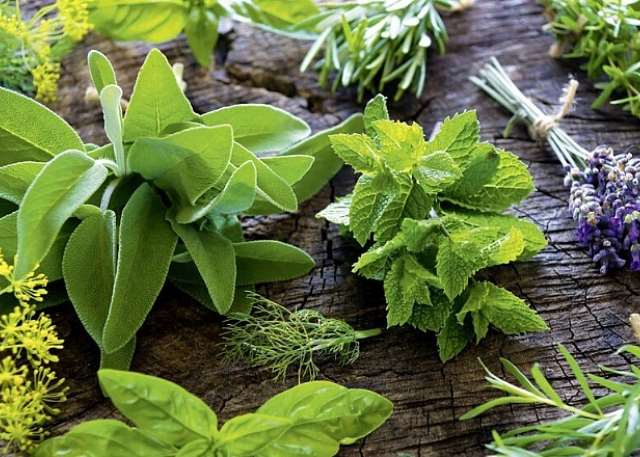
For centuries, African households have relied on medicinal plants — not as an alternative to modern medicine, but as a first line of defence against common ailments. Before the pharmacy, there was the garden. Before the tablet, there was the leaf. This knowledge, passed down from grandmother to granddaughter, from healer to apprentice, remains as relevant today as it was generations ago.
"In our grandmother's garden, every plant had a purpose — some fed the body, others healed it. We are losing this knowledge faster than we realise." — Mireille Moussavou, Dilulu Gabon Country Lead
In this guide, we explore ten medicinal plants that every African home garden should consider. They are easy to grow, thrive in our climates, and address the everyday health needs of families across the continent.
1. Moringa — The Miracle Tree
Known across West Africa as zogale (Hausa) or okwe oyibo (Igbo), and as moringue in Francophone countries, moringa is often called the "miracle tree" — and for good reason. Its leaves contain seven times the vitamin C of oranges, four times the calcium of milk, and three times the potassium of bananas.
How to grow: Moringa thrives in well-drained soil with full sun. It can be grown from seeds or cuttings and reaches harvestable height within six months. Prune regularly to keep the tree bushy and within reach.
Traditional uses: Fresh leaves are added to soups and stews. Dried leaf powder is stirred into porridge, sprinkled over food, or taken with water. The seeds are used to purify water — a technique widely practiced in Sudan and northern Nigeria.
2. African Wormwood — Cold & Flu Warrior
Known as umhlonyane in isiZulu and lengana in Sesotho, African wormwood is one of the most widely used medicinal plants in Southern Africa. Its powerful aromatic leaves have been used for centuries to treat colds, flu, and respiratory infections.
How to grow: This hardy shrub prefers full sun and well-drained soil. It is drought-tolerant once established and grows vigorously with minimal care. Propagate by cuttings or root division.
Traditional uses: Leaves are brewed as a bitter tea for coughs and colds. Steam inhalation with the leaves clears nasal congestion. A poultice made from crushed leaves is applied to wounds and skin infections.
3. Aloe Vera — The First-Aid Plant
Aloe vera — isihlahla sengwenya in isiNdebele, aloeès in French — is found in gardens across Africa. Its thick, gel-filled leaves are a natural first-aid kit, treating burns, cuts, and skin irritations with remarkable effectiveness.
How to grow: Aloe requires very little water and thrives in sandy, well-drained soil. It grows well in pots and produces pups (offshoots) that can be separated and replanted.
Traditional uses: The inner gel is applied directly to burns, sunburn, eczema, and insect bites. A small amount of gel mixed with water makes a soothing drink for digestive complaints.
4. African Ginger — Indigenous Pain Relief
Wild ginger, or indungulo in isiZulu, is indigenous to Southern Africa and distinct from the Asian ginger found in supermarkets. Its rhizome has a more intense, peppery flavour and potent medicinal properties.
How to grow: African ginger prefers partial shade and rich, moist soil. It goes dormant in winter and resprouts in spring. Plant rhizome pieces just below the soil surface and mulch well.
Traditional uses: The rhizome is chewed fresh for sore throats and coughs. It is used in traditional medicine for menstrual pain, headaches, and digestive issues. A warm infusion with honey soothes cold symptoms.
5. Rooibos — Africa's Healing Tea
Endemic to the Cederberg region of South Africa, rooibos — meaning "red bush" in Afrikaans — has become one of the most celebrated herbal exports from the continent. Rich in antioxidants and naturally caffeine-free, it is as therapeutic as it is delicious.
How to grow: Rooibos requires acidic, sandy soil and a Mediterranean climate. Seeds need scarification before planting. Challenging outside its native range but worth attempting.
Traditional uses: Brewed as a tea for relaxation and digestive comfort. Applied topically to soothe skin irritations and eczema. Given to colicky infants in very weak infusions — a longstanding Khoisan practice.
6. Neem — The Village Pharmacy
Originally from the Indian subcontinent, neem — dogonyaro in Hausa, nim in Francophone West Africa — has been naturalised across the Sahel for generations. Its bitter leaves, seeds, and oil are used in more ways than any other plant on this list.
How to grow: Neem is a robust tree that tolerates drought and poor soil. It grows quickly and provides dense shade — plant it where its canopy will not overwhelm smaller plants.
Traditional uses: Leaves are placed in stored grains to repel insects. Neem oil treats skin conditions. Twigs are chewed as a natural toothbrush. A weak leaf infusion is used as a natural pesticide.
7. Lemon Grass — The Fever Grass
Known across Africa as tej sar (Amharic), citronnelle (French), or simply fever grass, lemon grass is a staple in both kitchens and medicine cabinets.
How to grow: Lemon grass grows in tight clumps in full sun with regular water. It spreads readily — contain it in a pot if space is limited. Harvest stalks by cutting close to the base.
Traditional uses: A hot infusion of fresh leaves reduces fever. The tea calms anxiety and promotes restful sleep. The essential oil repels mosquitoes. The stalks flavour soups and stews across West and East African cuisines.
8. Cancer Bush — Immune Support from the Cape
Known as kankerbos in Afrikaans and sutherlandia in scientific literature, this Southern African plant has gained international attention for its immune-supporting properties.
How to grow: A hardy shrub that grows in full sun and well-drained soil. Tolerates drought and poor soils. Sow seeds in spring after scarification.
Traditional uses: Leaves and flowers are brewed as a bitter tea to support immune function. Used as a tonic for general wellbeing and fatigue. Externally applied as a wash for wounds and eye infections.
9. African Potato — The Golden CORM
Despite its name, African potato — inkomfe in isiZulu — is not a potato but a tuberous herb with bright yellow star-shaped flowers. Its corm has been used for centuries in Southern African traditional medicine.
How to grow: Prefers full sun and well-drained soil. Plant corms in spring, just below the surface. Dies back in winter and resprouts with the first rains.
Traditional uses: The corm is sliced, dried, and powdered as an immune booster. Traditionally used for prostate health and urinary tract health. A decoction is taken for dizziness and general weakness.
10. Tulsi — Holy Basil
Known as basilic sacrée in Francophone Africa, tulsi has spread across the continent through trade and migration. This aromatic herb is revered both as a medicinal plant and a spiritual one.
How to grow: Tulsi grows easily from seed in warm conditions. Prefers full sun and regular watering but is resilient. Pinch off flower heads to encourage bushier growth.
Traditional uses: Leaves are chewed fresh or brewed as tea for respiratory health and stress relief. A few leaves in drinking water are believed to purify it.
Starting Your Medicinal Garden
A medicinal garden does not need to be large. A few pots on a balcony, a border along a wall, or a dedicated bed beside the kitchen door can supply a family with effective, accessible remedies.
Remember: What heals in small doses can harm in excess. Always consult a qualified healthcare provider for serious conditions. Traditional knowledge is wisdom accumulated over generations — use it with the same care with which it was passed down.
Learn More with Dilulu
At Dilulu, we run community workshops across Gabon, Senegal, Kenya, Ghana, Rwanda, and beyond — teaching families how to grow, harvest, and prepare medicinal plants safely and effectively. Interested in bringing a medicinal garden workshop to your community? Contact us or explore our e-learning courses.
Related articles: Building Healthy Soil · Climate-Resilient Crops · Drought-Resistant Gardening