
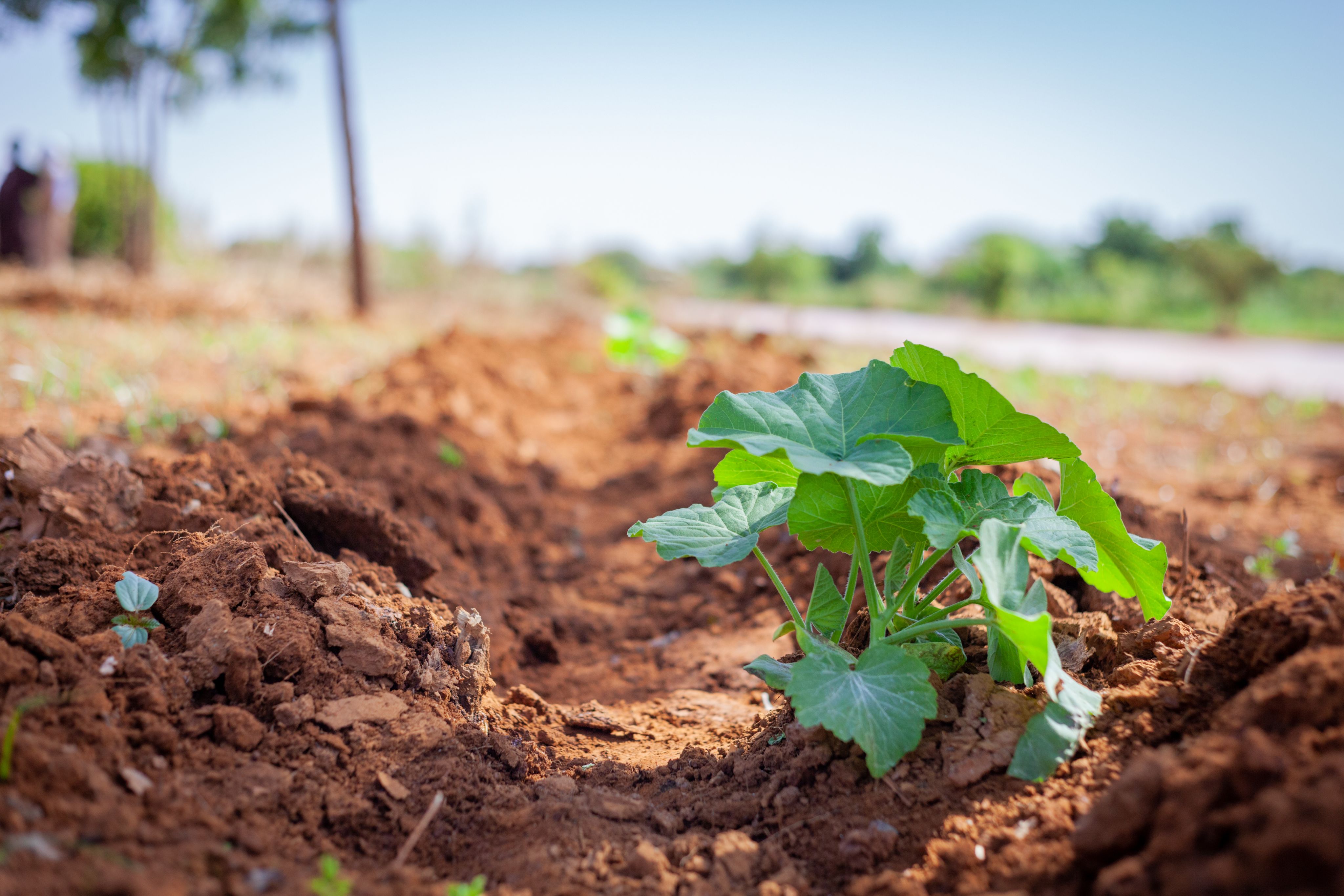
Climate change is not an abstract threat for African farmers — it is a daily reality. Rains that were once predictable now arrive late or not at all. Temperatures are rising. Growing seasons are shifting. In the face of these challenges, farmers across the continent are turning to crops that have already proven their resilience over centuries of variable conditions.
"When the rains become unreliable, it is not the newest hybrid that saves your family — it is the variety your great-grandmother grew." — Fatou Ndiaye, Dilulu Senegal
Sorghum — The Camel of Crops
Sorghum (Sorghum bicolor), known as dawa in Hausa, mtama in Swahili, and gros mil in French, is one of the most drought-tolerant cereal crops in existence. It can survive on as little as 300 mm of rainfall per season and has the remarkable ability to go dormant during dry spells, resuming growth when moisture returns.
Unlike maize, which wilts and dies after extended dry periods, sorghum rolls its leaves to reduce water loss and simply waits. Its deep root system — reaching up to two metres — finds moisture that shallow-rooted crops cannot access. In Sudan, Ethiopia, and the Sahel, sorghum remains the primary staple for millions of people precisely because of this reliability.
Sorghum is also nutritionally impressive: rich in iron, zinc, and B vitamins, naturally gluten-free, and with a lower glycaemic index than wheat or maize.
Pearl Millet — Food Security for Drylands
If sorghum is the camel of crops, pearl millet (Pennisetum glaucum) — gero in Hausa, mahangu in Namibia — is the desert survivor. It thrives where most crops fail entirely, producing grain with as little as 250 mm of annual rainfall and at temperatures exceeding 40°C.
Millet has been cultivated in Africa for over 4,000 years. Its grains are small but densely nutritious, packed with protein, fibre, and minerals. Its short growing season — as little as 60 days for some varieties — makes it invaluable in regions where the rainy season is brief and unpredictable.
Cowpea — The Dual-Purpose Wonder
Cowpea (Vigna unguiculata), known across West Africa as niebe (Wolof) and waakye (Ghana), is one of the most versatile crops on the continent. It produces edible leaves (harvested as a nutritious green vegetable), protein-rich beans, and fodder for livestock — all while fixing nitrogen in the soil.
Cowpea's drought tolerance is exceptional. Its deep taproot finds moisture that other crops miss, and its quick growth habit means it can complete its life cycle before the driest part of the season. In intercropping systems, cowpea planted alongside sorghum provides ground cover that reduces soil temperature and evaporation.
Amaranth — The Leaf That Keeps Giving
Amaranth (Amaranthus species), known as doodo in Uganda, mchicha in Tanzania, and biteku teku in DRC, is both a leafy green vegetable and a grain crop. Its efficient C4 photosynthetic pathway makes it exceptionally productive in hot conditions.
The leaves are rich in iron, calcium, and vitamins A and C — often surpassing spinach in nutritional content. They can be harvested repeatedly from the same plant over several months. The seeds are a complete protein source containing all essential amino acids.
Cassava — The Safety Net
Cassava (Manihot esculenta), known as manioc across Francophone Africa, is often called the crop of last resort — and that is precisely its value. It can remain in the ground for up to two years, harvested only when needed. While other crops fail during drought, cassava's starchy tubers wait patiently underground.
Proper processing is essential — cassava contains cyanogenic compounds that must be removed through peeling, soaking, and cooking. This knowledge, passed down through generations, transforms a potentially toxic root into a safe, reliable staple that feeds over 500 million people across the continent.
Planting for Resilience
The key to climate-resilient farming is not betting on a single crop but building a diverse system where different plants support each other. A field that combines sorghum, cowpea, and amaranth is more resilient than any monoculture can ever be.
Key takeaway: Diversity is resilience. If one crop struggles, the others compensate. The soil stays covered, moisture is conserved, and the family eats through the hardest seasons.
At Dilulu, our community gardens across Africa demonstrate these intercropping techniques in practice. Get in touch to learn more or browse our e-learning courses.
Related articles: Drought-Resistant Gardening · Building Healthy Soil · Community Seed Banks