
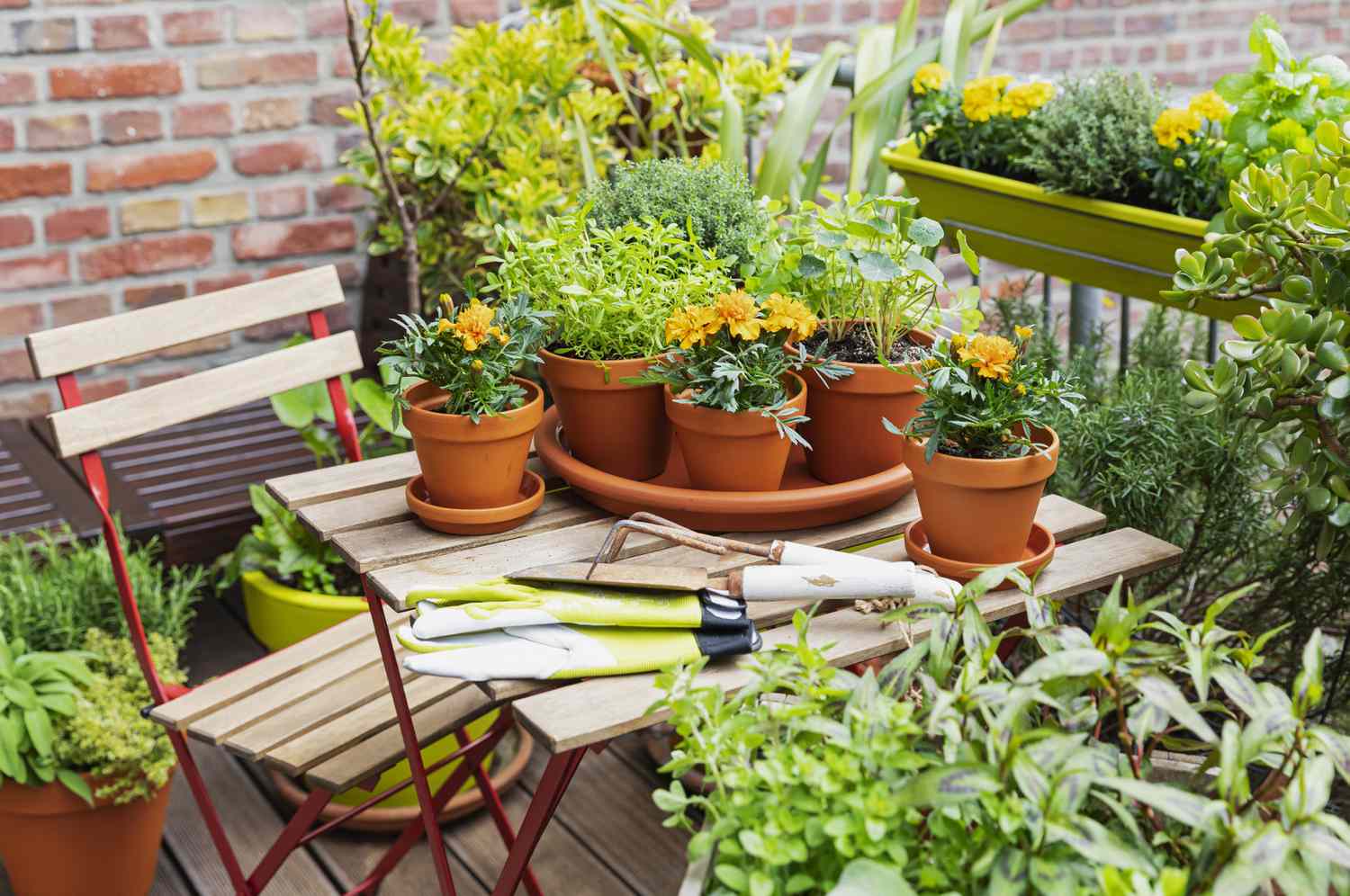
Across Africa's rapidly growing cities — from Lagos to Nairobi, Dakar to Dar es Salaam — urban families are rediscovering an old truth: you do not need a farm to grow food. A balcony, a rooftop, a courtyard, or even a sunny windowsill can become a productive garden.
"In Kigali, we say that a garden does not need land — it needs care. Even a single tomato plant on a balcony connects a family to the earth." — Claudine Uwase, Dilulu Rwanda
Why Container Gardening Works in African Cities
Container gardening is uniquely suited to urban African life. It requires no land ownership — tenants can garden on balconies and in shared courtyards. Containers can be moved to follow the sun or brought indoors during heavy rains. They use less water because water is applied directly to the root zone.
For families in informal settlements where soil may be contaminated, containers filled with clean, compost-enriched soil offer a safe growing medium.
Choosing Your Containers
The best containers are often the ones already around you. Old buckets, plastic basins, woven baskets lined with plastic, cut-off jerry cans, and traditional clay pots all make excellent planters. The key requirements: drainage holes at the bottom and sufficient depth — at least 20 cm for leafy greens, 30 cm for tomatoes and peppers.
In markets across West and Central Africa, traditional clay pots (canaris) are excellent for container gardening. Their porous walls allow beneficial air exchange while the clay's evaporative cooling keeps roots from overheating.
Vertical Gardens — Growing Up, Not Out
When horizontal space is limited, vertical space is the answer. In Nairobi, the "vertical bag garden" — a large sack filled with soil and compost, with vegetable seedlings planted into slits cut in the sides — has become a signature of urban agriculture.
Building a sack garden: Fill a large hessian sack with a mixture of soil, compost, and a central column of stones for even water distribution. Cut small slits in the sides and plant kale, spinach, or amaranth seedlings into each slit. Plant tomatoes on top. One sack can grow 30–40 plants in the space of a chair.
What to Grow in Containers
Leafy greens: Amaranth (doodo), African nightshade (managu), spinach, and kale all thrive in containers. Harvest outer leaves and the inner leaves will keep producing for months.
Fruiting vegetables: Cherry tomatoes, chilli peppers, and eggplant adapt well. A single well-tended cherry tomato plant in a 20-litre container can produce hundreds of fruits over a season.
Herbs: Lemon grass, basil, mint, and chives grow happily in small pots. Keep a pot beside your kitchen door for easy access. Mint and lemon grass also repel mosquitoes.
Root vegetables: Carrots, beetroot, and spring onions grow well in deep containers filled with loose, sandy soil.
Soil, Water, and Care
Container plants depend entirely on the soil you give them. Mix two parts garden soil, one part compost, and one part sand for drainage. Add crushed eggshells or wood ash for calcium and potassium.
Containers dry out faster than ground soil — check moisture daily. Water deeply when the top 2–3 cm feels dry. Morning watering is best. During hot months, a layer of mulch on top of the soil will dramatically reduce water loss.
Key takeaway: Container gardening is not just about growing food — it is about growing connection. Children who help tend a balcony garden learn where food comes from. Elderly relatives find joy in nurturing pots of herbs.
Dilulu runs urban gardening workshops in several African cities. Contact us to learn about workshops in your city or explore our e-learning courses.
Related articles: Building Healthy Soil · Drought-Resistant Gardening · Medicinal Garden Plants