
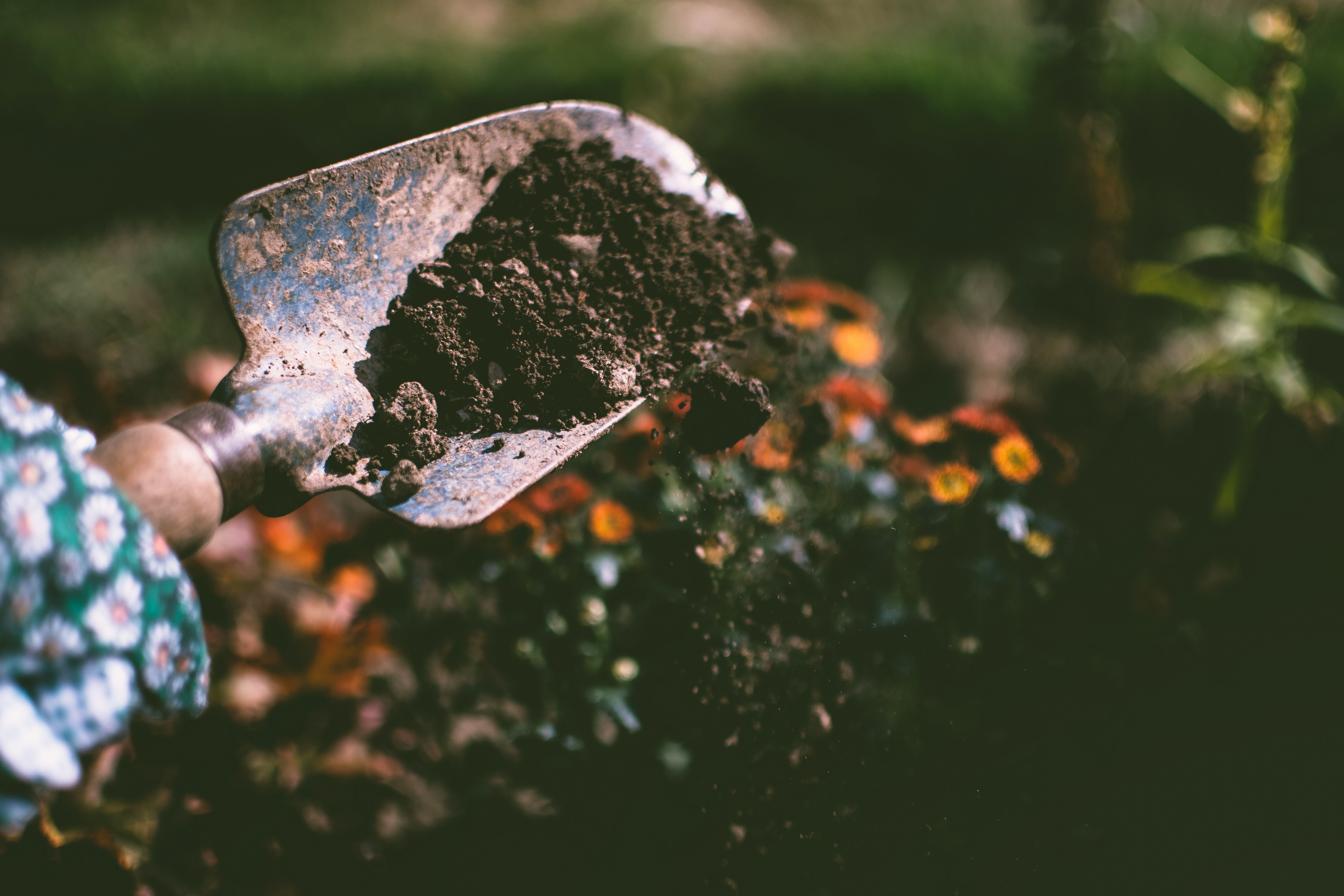
Dilulu is delighted to open applications for the 2027 School Garden Competition, our flagship celebration of the school gardens that turn playgrounds into living classrooms. After a record-breaking cycle that drew 78 schools from five African countries, we are inviting primary and secondary schools across the continent to start their applications today — entries close on 31 January 2027, and every garden has a story worth telling.
"You don't need a perfect garden to enter — you need students who care, a community that shows up, and a story worth telling. The gardens that win are the ones that teach." — Fatou Ndiaye, Dilulu Senegal
Why enter?
Every school that submits an application may receives a small grant for garden supplies — participation alone strengthens your garden programme. Winning schools gain continental recognition, category awards, and the knowledge that their students' work is inspiring schools in other countries.
The real reward, however, is what preparing an application reveals. As our judges reminded us last year, the strongest gardens are rarely the tidiest. They are places where students learn science in the soil, practice teamwork at the compost pile, and discover the pride of eating vegetables they grew themselves.
What the judges are looking for
Applications are assessed against the four qualities that define an outstanding school garden:
Sustainability — closed-loop systems: compost made on site, rainwater harvested, seeds saved from one harvest to the next.
Student engagement — evidence that children lead the garden: garden clubs, class projects, and student-run produce stalls.
Community involvement — gardens that reach beyond the school gate through family plots, community work days, and local partnerships.
Innovation — clever, low-cost solutions, from drip irrigation to recycled materials, adapted to the school's own reality.
Last summer proved what's possible
If you need inspiration, look at what schools achieved this summer. St. Catherine's Primary School in Kisumu, Kenya, claimed the overall title with a garden-to-table programme supplying its own lunch service and a tree nursery that has distributed over 2,000 seedlings to students' families. Category winners across Gabon, Kenya, Senegal, and Uganda showed closed-loop composting, home-garden outreach to 45 families, an irrigation controller built for under €15, and a curriculum where every subject touches the garden.
None of those gardens began as award winners. They began with a few beds, a committed teacher, and the decision to apply. Read the full story of the 2026 winners here.
How to apply
Starting now — rather than waiting — makes all the difference, because the strongest applications are built on a season of documentation, not a weekend of effort.
1. Review the criteria above and the winners' stories to understand what judges value.
2. Start gathering evidence today: photographs across the seasons, records of produce harvested, compost made and water saved, and short quotes from students and teachers.
3. Register your school's interest through School Partnerships — our team will help you shape a competitive application and answer your questions.
4. Submit your application before 31 January 2027. Judging takes place through the spring, with winners announced next summer.
New to school gardening? Our free School Garden Design course walks teachers through planning, building, and running a garden as a living classroom — the perfect preparation before you apply.
Key dates
Applications open: now.
Application deadline: 31 January 2027.
Winners announced: summer 2027.
Is your school ready to grow? Start your application today — register your school's interest or contact us, and our school partnerships team will guide you through every step. The garden you plant this year could be the one we celebrate next summer.
Related: School Partnerships · 2026 Winners Announced · Success Stories