
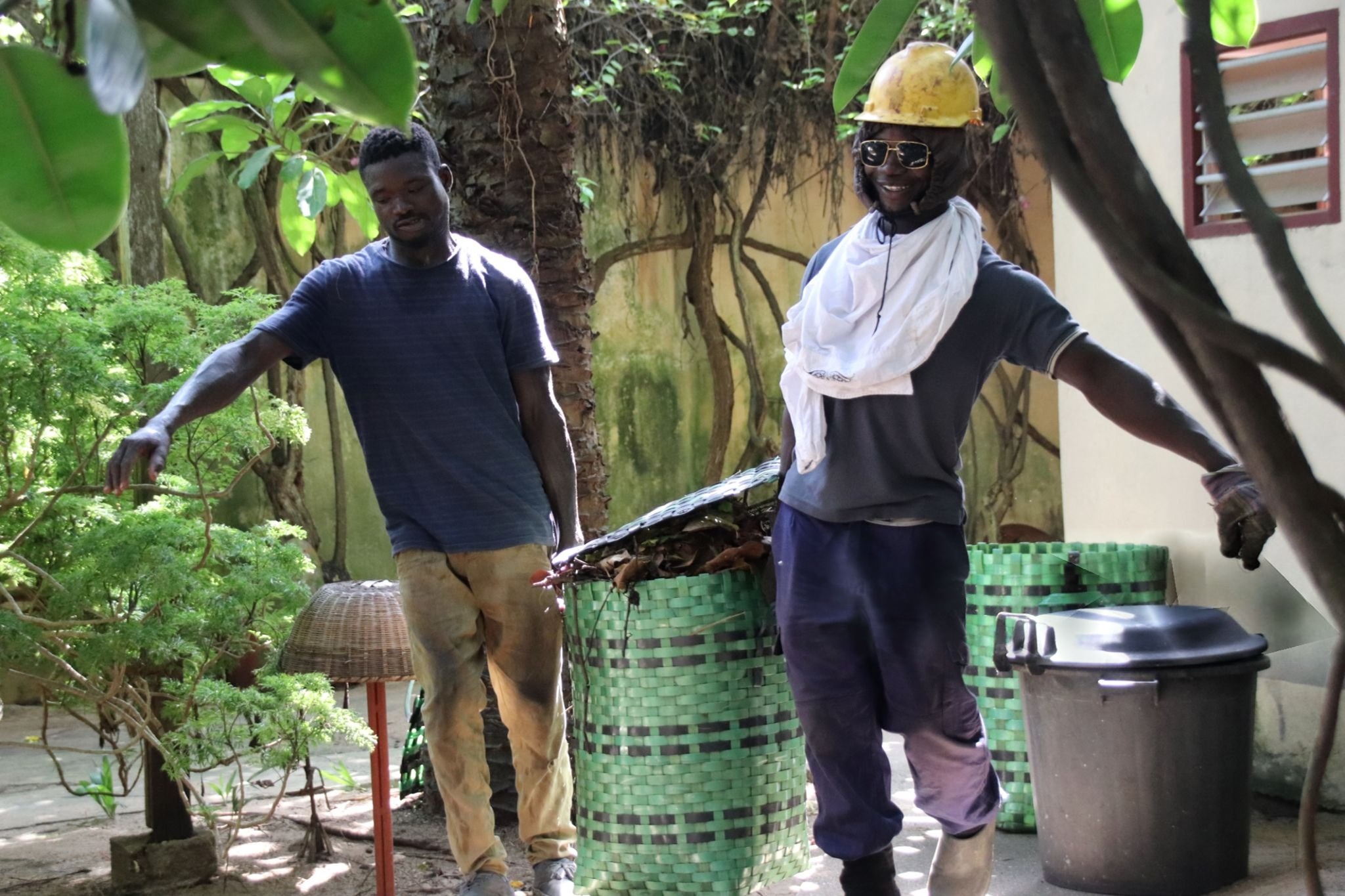
The story behind this campaign
In a bustling African market town, every evening tells the same quiet story. Mountains of peelings, spoiled fruit and market waste are carted to open ditches or burned in smoky fires — releasing methane, drawing flies, and wasting what could have been life for the soil. Meanwhile, the gardeners who feed that same town struggle to afford chemical fertilizers that grow more expensive every year.
A few streets away, behind a small school, a different story is taking root. Bins of kitchen scraps are layered with dry leaves, watered, turned and tended like a garden. Weeks later, the same scraps that once stank in a ditch come out dark, crumbly and sweet-smelling — compost, the black gold that feeds the soil.
This is Dilulu's Community Composting Initiative: turning organic waste into rich, living soil — healthier plants, less waste, thriving ecosystems. We train schools, market associations and neighbourhood groups in simple, proven methods — from traditional aerated piles to Bokashi fermentation — that need no expensive equipment. The compost returns to school gardens and family plots, where it improves soil structure, holds water through dry spells and feeds plants naturally, with no chemicals.
And the benefits reach far beyond one garden bed. Composting keeps waste out of landfills, where it would release methane, and puts carbon back into the soil instead of the air. It saves families and schools money they would have spent on fertilizer. For several of the women's cooperatives we work with, it even becomes a small income — selling compost and worm-rich soil to urban gardeners hungry for it.
At the school behind that market, the change is written in the children's faces. The garden that once struggled now fills the lunch pot every term with food grown in compost the students made themselves. In science class they chart the cycle: food scraps to living soil, living soil to strong plants, strong plants to warm meals. What was once thrown away now feeds the earth — and the earth feeds the children.
Why we need you now
Our goal is $25,000, and thanks to supporters like you we have already raised more than a third of it. Every $500 runs one complete community composting program for a season — so reaching our goal would power around fifty programs across schools, markets and neighbourhoods: less waste, richer soil, healthier food.
What your gift builds
- $50 — compost training and a starter kit for one classroom or household.
- $150 — bins, tools and training to launch a school or community composting site.
- $500 — a full community composting program: equipment, Bokashi training and garden integration for one site.
- $1,200 — a community compost hub turning neighbourhood waste into soil for many gardens, with ongoing mentorship.
Dilulu publishes every campaign's progress in real time — you can watch your gift at work, from first scraps to first harvest.
“There is no such thing as waste — only soil waiting to be born.”
Please give today. In markets and schools across Africa, tomorrow's scraps are waiting to become tomorrow's soil, and tomorrow's soil is waiting to become tomorrow's meals. That is what we mean when we say Dilulu: growing gardens, growing futures.
Where your money goes
Your contribution directly supports community gardens, school partnerships, and environmental education across Africa. Every donation is tracked, receipted, and put to work where it matters most.