
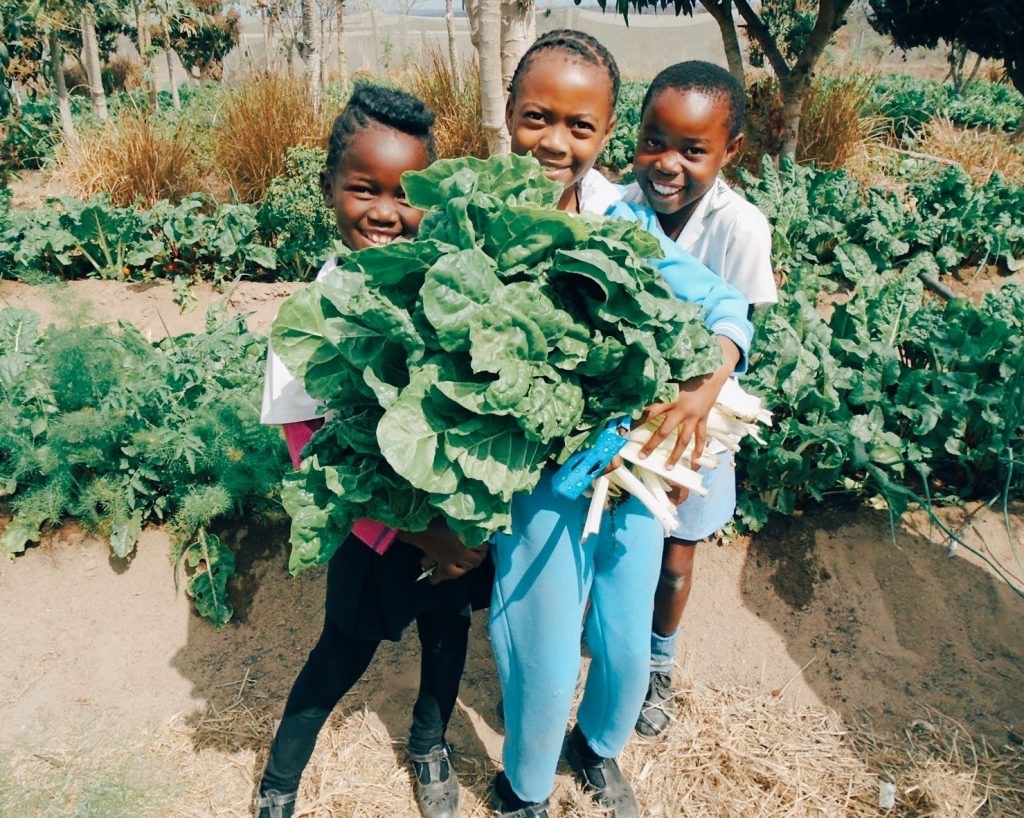
Give a young person responsibility for a garden bed and something shifts. They learn planning, patience, science and teamwork — and they start to see themselves as leaders. Youth garden programs are among the most powerful tools we have for building the next generation of environmental stewards.
From chores to ownership
Too often, school gardens become another chore assigned to students. The difference in our most successful programs is ownership: students choose what to plant, plan the crop cycle, track the budget, and decide how the harvest is used. When young people make the decisions, the garden stops being an assignment and becomes their project.
Skills that outlast the harvest
- Planning — mapping beds, scheduling planting, predicting harvests.
- Science — soil testing, seed germination, pest observation.
- Business — running plant sales and managing a small budget.
- Teaching — older students mentor younger learners.
"I used to be shy in class. Now I run the garden team — and I taught my little sister how to plant her first seed." — Garden leader, Accra, Ghana
Leadership that spreads
Youth leaders often become peer educators, taking gardening skills home and into their communities. In several of our partner schools, former garden leaders have started family plots, formed youth cooperatives, and even influenced what their schools serve at lunch.
Looking ahead
Young people don't need to be told that the planet matters — they need the skills and the confidence to act on it. A garden bed is a small thing; the leadership it grows is not.