
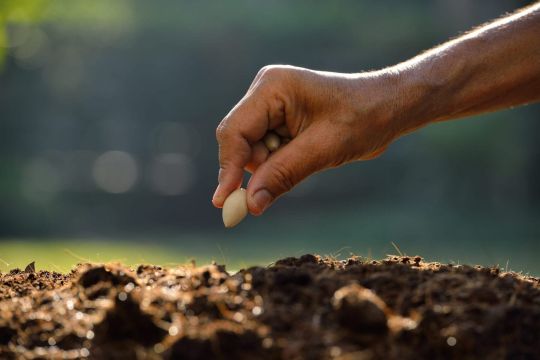
Every seed saved is a small act of sovereignty. Indigenous varieties — drought-resistant millets, hardy leafy greens, early-maturing legumes — are living libraries, adapted to local soils and climates over decades of careful selection by farmers who knew their land intimately.
Why saving seed matters more than ever
Commercial seed systems offer convenience, but they also create dependence. When a harvest fails, when markets are disrupted, or when a variety is simply no longer available, communities with saved seed keep growing. Seed saved at home is also free, adapted and improved — each year's selection nudges the variety closer to the local environment.
"A seed bank is a promise to the next season — and to the next generation." — Community seed guardian, Koumpentoum, Senegal
How community seed banks work
- Collection — members contribute local varieties and record their origins and uses.
- Storage — seeds are dried, labelled and kept in cool, dry conditions to preserve germination.
- Exchange — farmers trade varieties, spreading resilience across the community.
- Return — harvests from bank seed are replenished, keeping the cycle alive.
Getting started with seed saving
Begin with the easiest crops: beans, peas, tomatoes and leafy greens. Choose your best plants, let seeds mature fully on the plant, dry them thoroughly, and store them in paper envelopes or glass jars away from heat and moisture. Label everything — the variety, the season and the source.
Protecting heritage
Seed banks also guard against market shocks and preserve cultural identity. Every variety saved is a piece of agricultural heritage that belongs to the community that shaped it. Dilulu's programs encourage every school and community garden to maintain a seed bank — one seed saved today is a harvest protected tomorrow.