
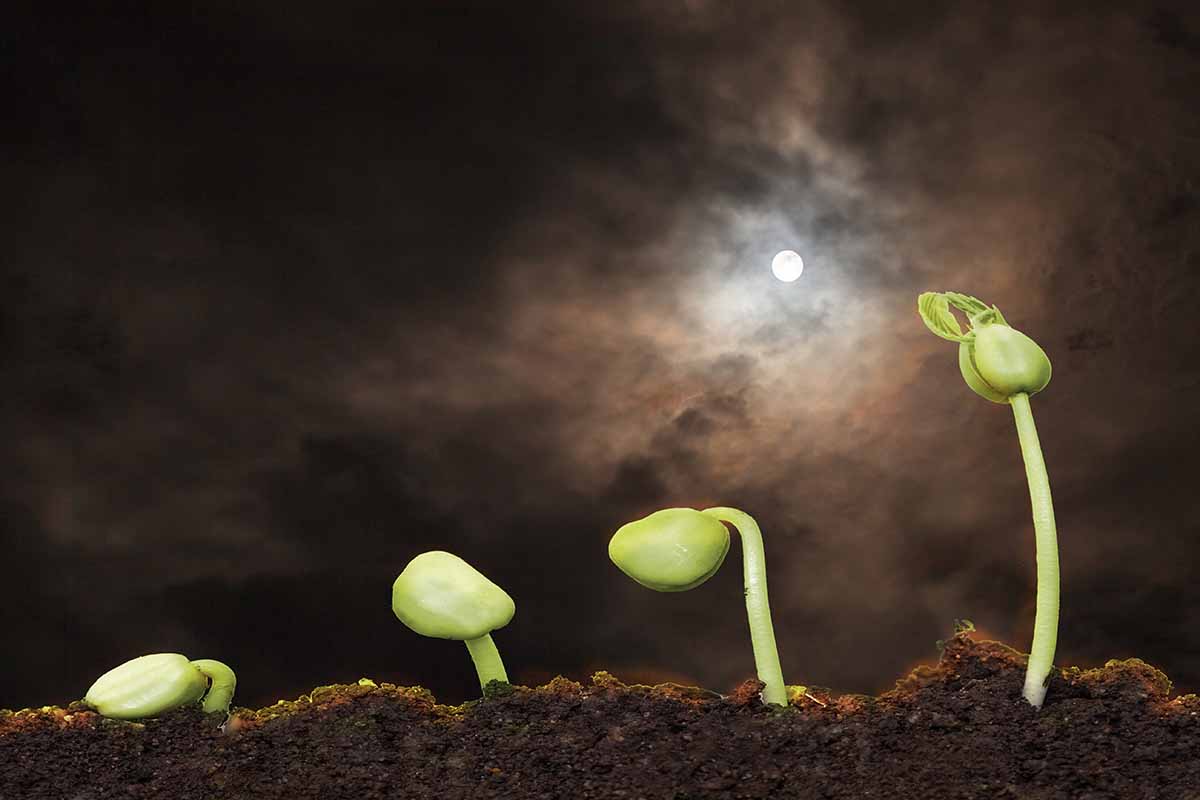
For generations, African farmers have scheduled planting, weeding and harvesting around the phases of the moon. The tradition is so widespread that dismissing it out of hand would be a mistake — and so rich in practice that it deserves a closer look.
What the tradition teaches
Moon-phase gardening is built on a simple observation: the moon's cycle is remarkably regular, and communities have used it to impose a calm, deliberate rhythm on the farming year. Planting in the waxing phase, for example, is believed to favour leafy growth; the waning phase is reserved for root crops, weeding and clearing.
"The moon calendar doesn't just tell you when to plant. It tells you to plan, to observe your land, and to be patient." — Elder Aïcha, community seed guardian, Senegal
What science says
Research on lunar effects on plant growth remains mixed — some studies point to subtle influences of moonlight and gravitational tides on seed germination and sap flow, while others find little measurable difference. But the practice carries real value regardless: it builds observation, creates a planting rhythm, and ensures that farmers slow down and plan before they plant.
Many of the same communities combine moon calendars with modern soil science to great effect — testing soil, using compost, and timing planting around local rainfall patterns alongside the lunar cycle.
Practical tips for the moon-aware gardener
- Keep a garden journal — note moon phases, planting dates and results for a season or two.
- Plant leafy crops in the waxing phase and root crops as the moon wanes.
- Use the moon calendar as a planning tool — never as a substitute for soil quality, water and care.
- Combine traditions — pair lunar timing with compost, mulching and rainwater harvesting.
The bigger lesson
Whether you follow the moon or the forecast, the principle is the same: a thoughtful, planned garden outperforms a rushed one. Tradition and science both agree on that.